One of Britain’s largest trade unions has delivered a blistering rebuke to ministers over the newly unveiled British Industrial Competitiveness Scheme, accusing Whitehall of turning its back on the very manufacturers that have long defined the country’s industrial heartlands.
The GMB, which represents tens of thousands of workers across Britain’s factory floors, said its members in gas-intensive sectors had been “disgracefully ignored” by a package the Government had trailed as a lifeline for domestic industry. The union’s verdict will make uncomfortable reading in Downing Street, where ministers have staked considerable political capital on reviving the fortunes of British manufacturing and narrowing the competitiveness gap with rivals in Europe, North America and Asia.
Gary Smith, GMB General Secretary, did not mince his words. “Gas-intensive industries in the UK have been shamefully ignored by the Government in this announcement, it’s a total disgrace,” he said. Mr Smith went on to warn that members working in the nation’s world-famous ceramics sector, along with those producing the bricks that underpin Britain’s construction supply chain, were “sickened at the lack of support” on offer. “Workers in manufacturing companies across the UK need urgent help,” he added. “This isn’t it.”
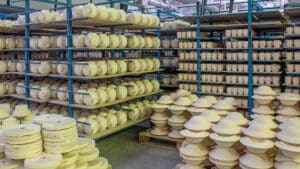
The intervention throws a harsh spotlight on the scheme’s design. The ceramics cluster centred on Stoke-on-Trent, together with the brickmaking operations that supply housebuilders and infrastructure projects up and down the country, relies heavily on natural gas to fire kilns at the extreme temperatures their products demand. Punishing wholesale energy prices, combined with the cumulative weight of climate levies and network charges, have left these small and mid-sized manufacturers paying substantially more for power than their Continental competitors, a longstanding grievance that industry bodies have pressed successive administrations to address.
For owner-managers in the Potteries and the brick belts of the Midlands and the North, the omission will sting. Many of these firms are quintessential British SMEs: privately held, deeply rooted in their communities, and exporting heritage products that still carry weight on the world stage. Their plea has been consistent, that any credible competitiveness strategy must begin with the cost of energy, without which no amount of capital allowances or skills funding will move the dial.
Whether the Government chooses to reopen the scheme’s scope, or whether a separate package for energy-intensive industries is now inevitable, will be watched closely over the coming weeks. What is beyond doubt is that today’s announcement has, in the GMB’s eyes, fallen well short of the mark.
Read more:
GMB union attacks government for ‘disgracefully ignoring’ UK’s gas-intensive manufacturers